Patients who received direct resin cosmetic bonding several years ago often notice eventual staining, chipping, or gingival irritation around restoration margins. When evaluating treatment upgrades, understanding how to replace composite bonding with porcelain veneers, mechanical resin removal protocols, and enamel preservation rules allows you to transition to a long-lasting, radiant smile. For ultra-thin porcelain preparation details, review our no prep vs traditional veneers comparison guide.
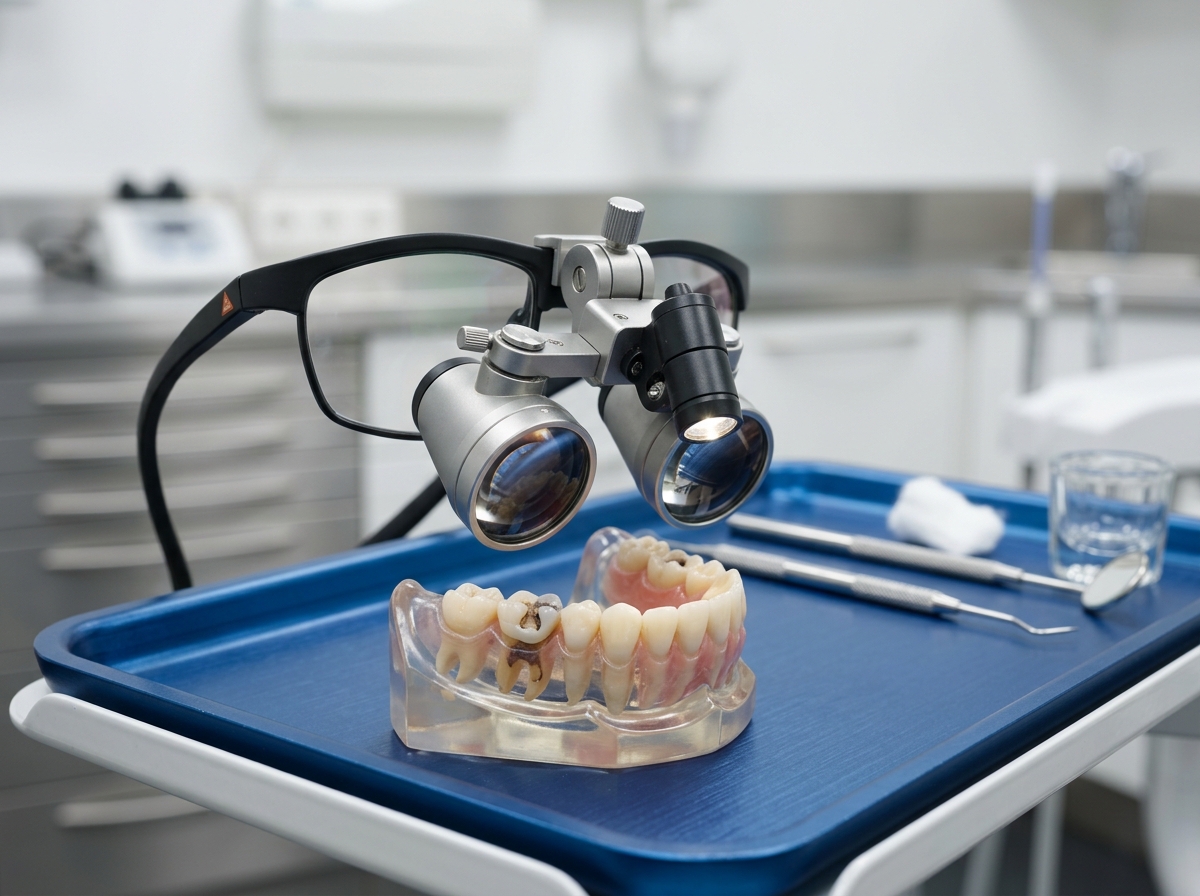
Clinical restorative protocols published in the Journal of Cosmetic Dentistry (JCD) confirm that selective resin removal using ultra-fine tungsten carbide burs under magnification preserves natural enamel while entirely stripping discolored composite layers. At Dental NKT, Doctor Nguyen Thu Hoai utilizes high-magnification dental loupes and Swiss-milled Ivoclar Emax lithium disilicate ceramics to upgrade aging composite restorations. Explore our specialized porcelain veneers service guide page for all aesthetic options.
In this clinical guide, Doctor Nguyen Thu Hoai, Senior Cosmetic Prosthodontist at Dental NKT, explains the primary failure signs of aging composite resin, gentle microscopic resin removal protocols, upgrading to stain-resistant Emax disilicate porcelain, and transparent fee structures for international patients in Hanoi. Check our Dental NKT International Pricing Directory for all-inclusive treatment fees.
What Are the Signs Your Composite Bonding Has Failed?
Featured Snippet Summary: Failed composite bonding exhibits marginal micro-leakage, dark interfacial staining, incisal chipping under biting forces, and localized bad odor (halitosis) caused by bacterial buildup under resin ledges.
Direct composite resin is a versatile material, but organic polymer degradation naturally occurs after several years of oral function. Restorative dental specialists identify key clinical failure signs:
Why Does Aging Composite Resin Cause Marginal Staining and Bad Odor?
Prosthodontic researchers highlight four primary degradation signs in aging resin bonding:
- Marginal Micro-Leakage & Dark Lines: Polymerization shrinkage creates microscopic gaps between resin and enamel, allowing dietary fluids to seep in and cause dark brown marginal stains.
- Bacterial Plaque Accumulation & Halitosis: Rough or overhanging composite margins trap food particles and oral bacteria, leading to localized gingival inflammation and unpleasant mouth odor.
- Incisal Edge Chipping: Resin materials (100-140 MPa flexural strength) wear down and chip under heavy chewing forces. Read our emax veneers vs composite bonding durability guide for material comparisons.
- Surface Gloss Loss: Polymer matrix degradation causes composite restorations to lose their initial shine, turning dull and yellowed over time. Read about whitening limits in our laser teeth whitening services guide.
How Are Gentle Resin Removal Protocols Performed Without Damaging Underneath Enamel?
Micro-Removal Protocol: Utilizing ultra-fine tungsten carbide burs, UV fluorescent light detection, and high-magnification loupes ensures complete composite stripping without abrading underlying natural enamel.
Patients often fear that removing old composite bonding will damage their underlying natural teeth. Biomimetic specialists follow strict tooth-preserving protocols established in published literature:
How Do Dentists Differentiate Composite Resin from Natural Enamel?
- UV Fluorescent Light Visual Tracking: Applying specialized UV illumination causes composite bonding agents to fluoresce, clearly distinguishing artificial resin from natural tooth enamel under loupe magnification.
- Ultra-Fine Tungsten Carbide Stripping: Multi-fluted carbide burs peel away soft composite polymer without cutting into harder hydroxyapatite enamel prisms.
- Air-Polishing & Surface Etching: Micro-abrasion cleaning removes residual bonding resin, restoring pristine enamel surface texture prior to Emax veneer fitting. Read about antibiotic masking in our veneers for tetracycline stained teeth guide.
What Is the Informed Consent Notice Regarding Prior Enamel Alteration?
Ethical Aesthetic Disclosure: Prior Enamel Evaluation. If previous composite bonding involved acid etching or minor enamel preparation, replacing the resin with Emax porcelain veneers is an irreversible decision, permanently requiring ceramic restorations to protect natural tooth surfaces.
Why Upgrade to Stain-Proof Emax Ceramic Restorations?
Emax Ceramic Advantage: Glazed lithium disilicate porcelain provides 400 to 500 MPa flexural strength, high stain resistance over many years, and smooth margins that protect gum tissue.
Upgrading from direct composite resin to lab-fabricated Emax porcelain veneers transforms both durability and aesthetic outcomes. Cosmetic specialists evaluate long-term benefits:
How Does Glass-Ceramic Outperform Direct Resin Bonding?
- Non-Porous Stain Stability: High-temperature vacuum firing seals Emax ceramic surfaces, preventing coffee, wine, or tobacco pigments from penetrating the restoration for many years.
- Superior Mechanical Flexural Strength: Emax Press disilicate (400-500 MPa) resists incisal chipping, supporting confident biting function over a 15 to 20-year lifespan under routine 6-month hygiene care.
- Precision CAD/CAM Gingival Margins: Computer-milled veneer margins fit flush against tooth enamel, eliminating overhangs and plaque traps that cause bad odor. Explore full smile design in our smile makeover services guide.
How Do Composite Replacement Costs Compare Between Australia and Vietnam?
Replacing old composite bonding with Emax disilicate porcelain veneers costs $520 to $650 AUD per tooth at Dental NKT, compared to $1,200 - $2,500 AUD per tooth in Australia.
Note: Australian fee estimates are based on published Australian Dental Association (ADA) average fee survey benchmarks for composite removal (ADA item 571) and cosmetic porcelain veneers (ADA item 582 & 583). Dental NKT fees reflect all-inclusive clinical service pricing in Hanoi.
| Restoration Upgrade Procedure | Clinical Features & Removal Protocol | Cost in Australia (AUD) | Dental NKT Price (AUD) |
|---|---|---|---|
| Emax CAD Composite Upgrade (Per Tooth) | Microscopic carbide resin removal, 0.3mm prep, Emax disilicate | $1,200 - $1,800 AUD | $520 AUD (Save 65 percent) |
| Master Hand-Layered Emax Upgrade (Per Tooth) | UV light tracking, master ceramist hand-layered incisal translucency | $1,800 - $2,500 AUD | $650 AUD (Save 70 percent) |
| Full Smile Composite Replacement (6 Teeth) | Complete resin stripping, 3D Digital Smile Design, 10-year warranty | $7,200 - $11,000 AUD | $3,120 AUD (Save 70 percent) |
Details: Carbide Resin Removal + Emax Disilicate Veneer
Sydney Price: $1,200 - $1,800 AUD
Details: UV Tracking + Hand-Layered Translucent Incisal
Sydney Price: $1,800 - $2,500 AUD
Details: 6 Emax Disilicate Veneers + 3D Smile Makeover
Sydney Price: $7,200 - $11,000 AUD
Why Choose Hanoi and Dental NKT for Replacing Composite Bonding?
International patients traveling to Hanoi receive full travel concierge assistance, 3D Digital Smile Design simulations, and 10-year global warranty passports.
Choosing Dental NKT in Hanoi allows international travelers to replace failed composite bonding with Emax porcelain veneers in 5 days while saving up to 70 percent compared to Australian private clinic fees. Read about full-coverage emax porcelain crowns or explore our dentists and clinical team profile page. Review our global warranty terms for complete details.
- Digital Smile Design (DSD): Preview your customized smile simulation on 3D software prior to tooth preparation.
- 10-Year Global Warranty: Backed by official Emax manufacturer certificates for international maintenance support.
- Transparent Billing: Zero hidden fees, covering 3D scans, mock-up try-ins, temporary veneers, final Emax disilicate bonding, and private airport transfers. Feel free to contact our clinical team to schedule your evaluation.
Clinical Care Notice: Composite Replacement Assessment
Schedule Your Composite Upgrade Consultation
Receive a free 3D Digital Smile Design evaluation and composite removal review prior to traveling to Hanoi.
Schedule a Pre-Travel Clinical ReviewFAQ: Is Replacing Composite Bonding with Porcelain Veneers Painful?
Q1: Is replacing composite bonding with porcelain veneers painful?
For most patients, removing old composite resin is generally comfortable and performed under local anesthesia, causing minimal to no discomfort for most patients depending on individual tooth sensitivity.
Q2: Can old composite resin be completely removed without harming natural enamel?
Yes, when performed under magnification by experienced clinicians using UV light tracking and ultra-fine carbide burs, old resin can be selectively removed while preserving natural enamel.
Q3: How long does it take to replace composite bonding with veneers in Hanoi?
The complete upgrade takes only 5 days across two comfortable clinical appointments at Dental NKT in Hanoi.