Patients considering cosmetic porcelain laminates often express concern about potential oral hygiene complications after treatment. When evaluating long-term safety, understanding whether do veneers cause bad breath or gum damage, the biomechanics of microscopic margin preparation, and proper periodontal maintenance rules allows you to pursue a smile transformation with peace of mind. For zero-prep candidacy details, review our no prep vs traditional veneers comparison guide.
Periodontal clinical literature published in the Journal of Clinical Periodontology confirms that high-quality porcelain restorations do not inherently cause gingival inflammation or halitosis. Rather, bacterial accumulation occurs when ill-fitting veneers feature overhanging ledges or unpolished margins that violate the 2mm supracrestal tissue attachment (biological width benchmark established by Gargiulo et al.). At Dental NKT, Doctor Nguyen Thi Thuy Hang utilizes high-magnification dental loupes and Swiss CAD/CAM Emax disilicate ceramics to ensure a micro-flush ceramic-to-gum seal. Explore our specialized porcelain veneers service guide page for all aesthetic options.
In this clinical guide, Doctor Nguyen Thi Thuy Hang, Head of Cosmetic Dentistry at Dental NKT, details the real causes of oral odor, microscopic margin preparation protocols, daily flossing routines for restoration longevity, and transparent treatment pricing for international patients in Hanoi. Check our Dental NKT International Pricing Directory for all-inclusive fee schedules.
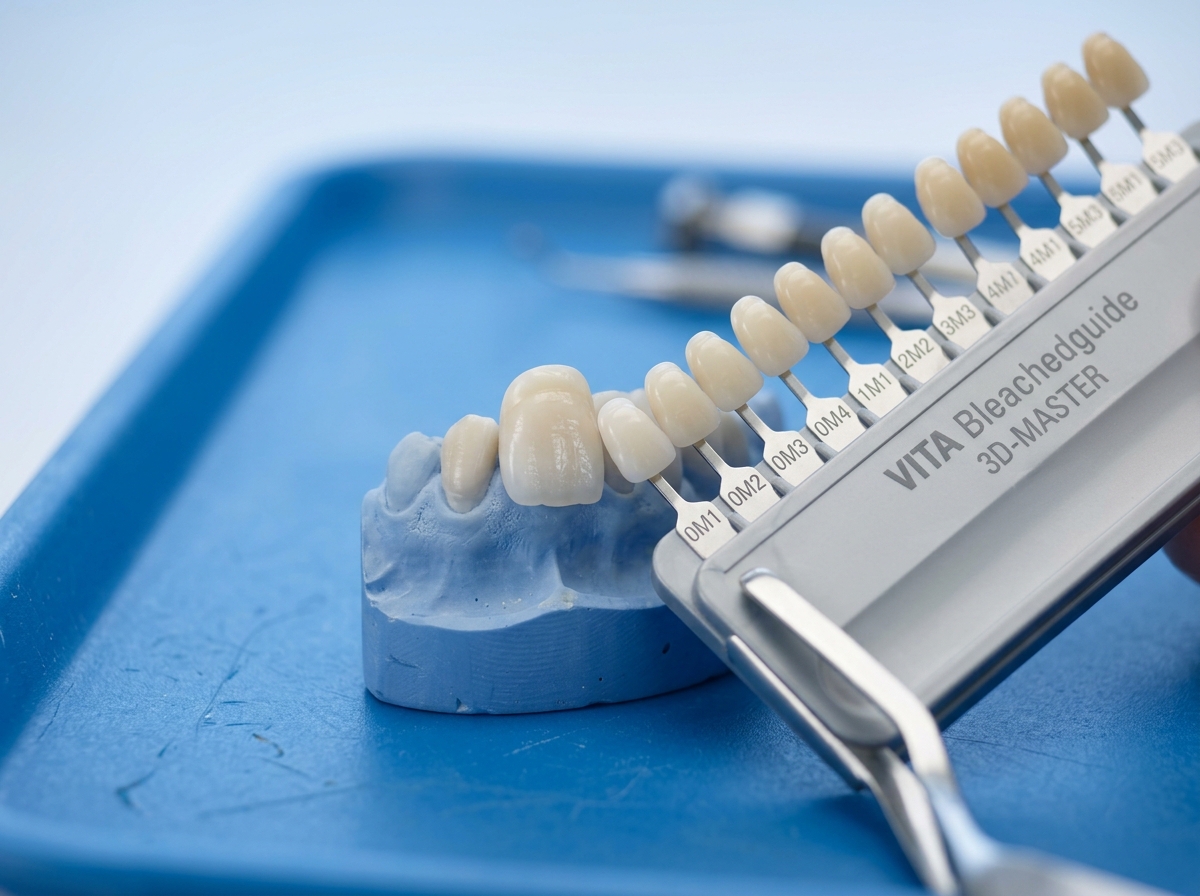
What Is the Real Cause of Odor: Overhanging Margins and Trapped Bacteria?
Featured Snippet Summary: Porcelain is a smooth, non-porous glass-ceramic that cannot absorb odors; bad breath and gum recession stem from poor clinical placement, overhanging ceramic margins, or underlying untreated gum disease.
Misconceptions surrounding porcelain veneers often confuse material properties with improper execution. Periodontal specialists clarify the root causes of oral odor:
How Do Clinical Errors Lead to Gum Inflammation?
Prosthodontic researchers identify three primary technical causes of post-restoration complications:
- Overhanging Ceramic Ledges: Poorly fitted veneers with thick cervical borders create microscopic shelves that trap food particles and anaerobic bacteria, triggering bad breath (halitosis).
- Biological Width Violation: Placing veneer margins too deep beneath the gumline disrupts the 2mm supracrestal tissue attachment (Gargiulo et al.), causing chronic gingival bleeding and eventual gum recession.
- Unpolished Rough Margins: Residual resin cement or unpolished ceramic interfaces encourage rapid dental plaque biofilm buildup. Read about material durability in our emax veneers vs composite bonding durability guide.
How Does Microscopic Margin Prep Ensure Flush Ceramic-to-Gum Seals?
Precision Standard: Precision 0.2mm to 0.3mm chamfer margin preparation under high magnification creates a perfectly smooth, seamless transition between porcelain and natural tooth enamel.
Preventing periodontal complications requires meticulous attention to clinical execution during tooth preparation and lab fabrication:
What Clinical Protocols Protect Periodontal Health?
- Equigingival & Supragingival Margins: Positioning veneer borders flush with or slightly above the gumline avoids sulcular trauma and allows easy daily flossing.
- 3D Intraoral Scanning Accuracy: Digital optical impressions capture margin boundaries with 10-micron precision, eliminating manual impression distortions that cause ill-fitting edges.
- Non-Porous Glazed Emax Surface: High-vacuum glazed ceramic repels bacterial adhesion far more effectively than composite resin or natural tooth surfaces. Read about shade choices in our how to choose natural veneer tooth shade guide.
What Is the Informed Consent Notice Regarding Pre-Existing Periodontal Disease?
Ethical Periodontal Disclosure: Pre-Existing Gum Care. Patients with active gingivitis or periodontitis must receive full periodontal scaling and root planing before undergoing porcelain veneer placement. Veneers should never be bonded onto inflamed or bleeding gum tissue.
What Is the Daily Flossing and Gum Care Routine for Veneer Longevity?
Maintenance Guideline: Daily flossing, water flosser irrigation, non-abrasive fluoride toothpaste, and 6-month hygiene visits preserve healthy pink gums around veneer margins for decades.
While porcelain veneers cannot develop cavities, the underlying natural tooth structure and supporting gum tissue still require diligent home maintenance:
What Hygiene Practices Maintain Healthy Gum Lines?
- C-Shape Dental Flossing: Curve dental floss gently around each tooth neck to sweep away interdental plaque without snapping into delicate papilla tissue.
- Water Flosser Hydro-Pulsation: Utilizing a water flosser on medium pressure flushes out microscopic food debris from gingival sulcus areas.
- Non-Abrasive Paste & Soft Brushes: Low-RDA toothpastes prevent scratching micro-glazed porcelain surfaces, keeping margins smooth and plaque-resistant. Explore full smile makeovers in our smile makeover services guide.
How Do Periodontal-Safe Porcelain Veneer Costs Compare Between Australia and Vietnam?
Precision Emax disilicate porcelain veneers with microscopic margin preparation cost $520 to $650 AUD per tooth at Dental NKT, compared to $1,200 - $2,500 AUD per tooth in Australia.
Note: Australian fee estimates are based on published Australian Dental Association (ADA) average fee survey benchmarks for cosmetic porcelain veneers (ADA item 582 & 583). Dental NKT fees reflect all-inclusive clinical service pricing in Hanoi.
| Porcelain Veneer Procedure | Precision Margin Features & Periodontal Safety | Cost in Australia (AUD) | Dental NKT Price (AUD) |
|---|---|---|---|
| Emax CAD Precision Margin Veneer | 0.3mm chamfer prep, digital 3D intraoral scan, flush seal | $1,200 - $1,800 AUD | $520 AUD (Save 65 percent) |
| Master Hand-Layered Periodontal Package | Microscopic loupe fitting, hand-polished gingival margins | $1,800 - $2,500 AUD | $650 AUD (Save 70 percent) |
| Full Smile Periodontal Makeover (8 Teeth) | Full arch precision fit, 3D Digital Smile Design, 10-year warranty | $12,000 - $18,000 AUD | $4,160 AUD (Save 70 percent) |
Details: 0.3mm Chamfer Prep + 3D Scan
Sydney Price: $1,200 - $1,800 AUD
Details: Microscopic Loupe Fitting + Polished Margins
Sydney Price: $1,800 - $2,500 AUD
Details: 8 Emax Disilicate Veneers + 3D Smile Makeover
Sydney Price: $12,000 - $18,000 AUD
Why Choose Hanoi and Dental NKT for Periodontal-Safe Porcelain Veneers?
International patients traveling to Hanoi receive full travel concierge assistance, 3D Digital Smile Design simulations, and 10-year global warranty passports.
Choosing Dental NKT in Hanoi allows international travelers to receive precision-fitted Emax disilicate veneers in 5 days while saving up to 70 percent compared to Australian private clinic fees. Read about full-coverage emax porcelain crowns or explore our dentists and clinical team profile page. Review our global warranty terms for complete details.
- Digital Smile Design (DSD): Preview your customized smile simulation on 3D software prior to tooth preparation.
- 10-Year Global Warranty: Backed by official Emax manufacturer certificates for international maintenance support.
- Transparent Billing: Zero hidden fees, covering 3D scans, mock-up try-ins, temporary veneers, final Emax disilicate bonding, and private airport transfers. Feel free to contact our clinical team to schedule your evaluation.
Clinical Care Notice: Periodontal Safety Assessment
Schedule Your Periodontal Veneers Consultation
Receive a free 3D Digital Smile Design evaluation and periodontal margin review prior to traveling to Hanoi.
Schedule a Pre-Travel Clinical ReviewFAQ: Do Porcelain Veneers Cause Bad Breath or Gum Recession?
Q1: Do porcelain veneers cause bad breath or gum recession?
No, properly designed porcelain veneers do not cause bad breath or gum damage. Odor and inflammation are caused by clinical fitting errors, overhanging margins, or poor hygiene.
Q2: Can I floss normally after getting porcelain veneers?
Individually placed porcelain veneers generally allow normal daily flossing routines, though patients should floss gently around restoration margins during the initial healing period.
Q3: What should I do if my gums bleed around my veneers?
Persistent gum bleeding indicates localized plaque buildup or margin roughness and should be evaluated by a dentist for professional cleaning or margin adjustment.