Why Is a Bone Graft Necessary for Dental Implants?
Bone grafting is vital for dental implants because it builds a stable foundation of jawbone volume, ensuring the titanium post integrates securely without damaging surrounding anatomical structures.
For many international patients planning dental travel, understanding the physiological requirements of tooth replacement is the first step toward a successful outcome. A common concern is whether there is enough bone structure to hold the new fixtures. When analyzing the feasibility of treatment, understanding the factors that dictate the dental implant bone graft success rate is crucial for patients experiencing bone resorption due to long-term tooth loss or periodontal disease.
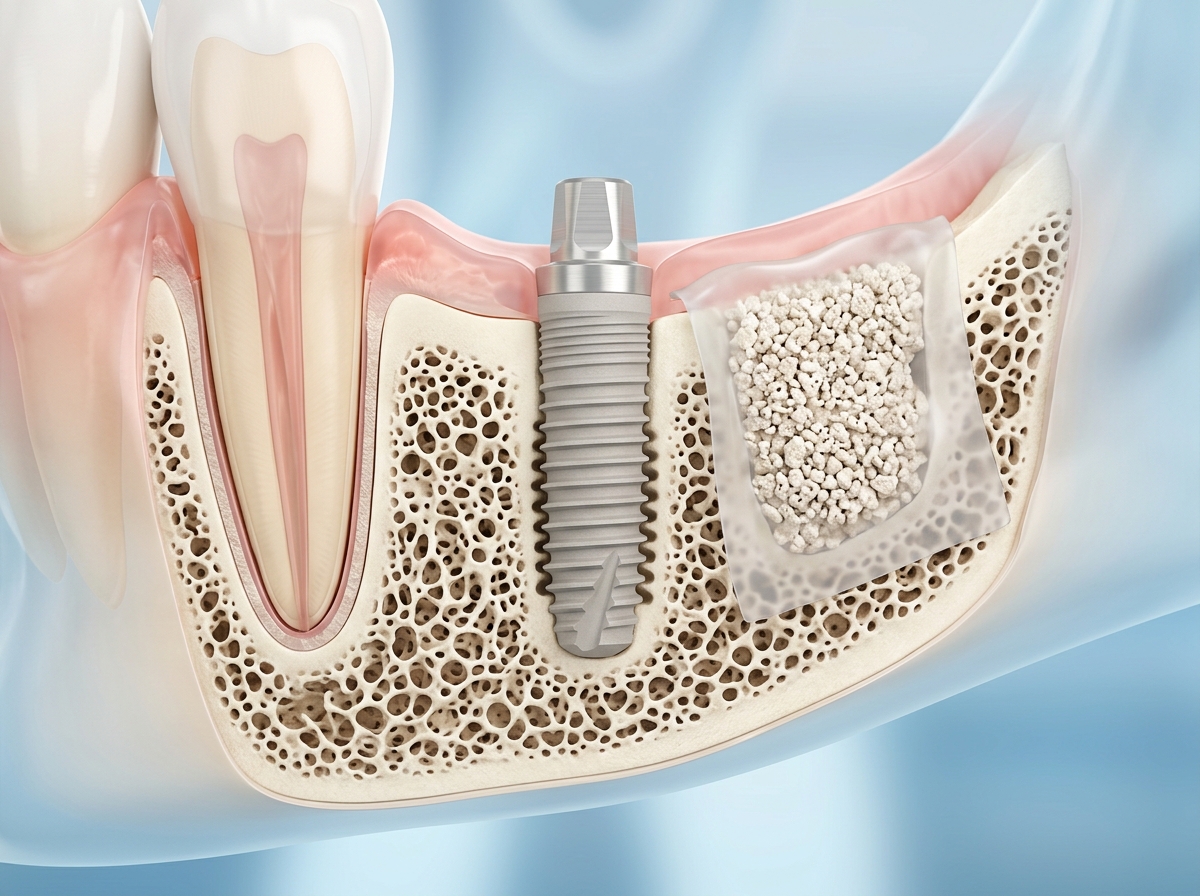
When a tooth is lost, the surrounding alveolar bone no longer receives the mechanical stimulation generated by chewing. Consequently, the body begins to resorb the bone tissue, leading to a significant decrease in both bone height and width. This natural resorption process occurs rapidly, with up to 40% of jawbone width lost within the first six months following extraction. If a clinician attempts to place a titanium fixture into an atrophied jaw, there is a severe risk of implant failure, nerve damage, or sinus penetration. Bone grafting solves this issue by placing natural or synthetic materials into the deficient areas, encouraging the body to rebuild healthy, dense bone tissue. This regeneration process provides the necessary structural support to absorb the intense chewing force of your bite over time.
To help you understand why this preparatory procedure is highly recommended by implant specialists, we have listed the main clinical benefits below:
- Provides Essential Stability: Creates a dense, solid foundation to firmly anchor the titanium implant post.
- Prevents Facial Sagging: Restores natural jawbone volume, maintaining the youthful contours of the jawline and face.
- Protects Vital Structures: Builds sufficient vertical bone height to safely distance the implant from maxillary sinuses and nerve canals.
- Ensures Osseointegration Success: Maximizes the surface contact area between the titanium fixture and healthy bone cells.
What Is the Actual Success Rate of Bone Grafts in Dental Tourism?
Clinical studies demonstrate that dental bone grafting has an overall success rate exceeding 95% when performed by experienced specialists using premium biomaterials.
Patients traveling to Southeast Asia for restorative care often ask about the predictability of advanced bone procedures. Clinical data proves that the dental implant bone graft success rate is exceptionally high. Modern surgical techniques and advanced biomaterials make jaw bone reconstruction success a highly predictable outcome, even for patients with severe bone atrophy.
According to clinical data published on the PubMed National Library of Medicine, the overall survival rate of implants placed in grafted bone is comparable to those placed in healthy, native bone, ranging between 95.6% and 98%. By utilizing advanced 3D CBCT imaging, dentists can measure bone density beforehand, eliminating guesswork. These high-definition scans allow us to map out the nerves and blood vessels with sub-millimeter precision, reducing the risk of complications. You can read more about how we plan these cases on our complete dental tourism travel guide.
However, the final success rate depends on several factors, including the type of graft material used, the patient's general health, and post-operative oral hygiene. For example, patients with controlled diabetes can still achieve excellent success rates, while heavy smoking can reduce success by up to 10% due to restricted blood flow in the gums. Older age groups do not show reduced success, provided their body retains normal healing capacity and bone metabolism rates.
How Do Synthetic Bone and Autogenous Bone Grafts Compare?
Choosing the right bone graft material is essential to achieving optimal density. Autogenous bone grafts, harvested from the patient's own body (such as the chin or wisdom tooth area), are considered the gold standard because they contain live cells that accelerate bone growth. However, this method requires a second surgical site, which increases healing time and discomfort.
In contrast, synthetic bone grafts made of calcium phosphate or bio-ceramics eliminate the need for a secondary surgery. They act as a sterile scaffolding that guides the body's natural bone-forming cells to build new bone. Additionally, clinicians frequently use xenografts (derived from bovine source) or allografts (processed donor bone) to provide long-term structural support. At our clinic, we utilize a combination of premium synthetic materials and membrane barriers to optimize outcomes. To see our transparent treatment pricing, visit our dental implant price list.
Furthermore, to accelerate the integration of the graft, we utilize Platelet-Rich Fibrin (PRF) technology. By drawing a small amount of the patient's blood and spinning it in a centrifuge, we isolate a concentrated membrane rich in growth factors. Placing this PRF membrane over the bone graft granules drastically increases the rate of cellular growth and reduces the risk of post-operative infection, providing an extra layer of clinical safety for our patients.
What Is the Healing Timeline Before Implant Placement After a Bone Graft?
The healing timeline after a bone graft ranges from 3 to 6 months, allowing the grafted material to fuse completely with the surrounding native bone tissue.
A crucial factor in planning your dental holiday is the healing timeline. Implant placement after bone graft must be carefully timed. If the titanium fixture is placed before the graft has fully matured into solid bone, it will fail to integrate, leading to implant mobility and failure.
For minor bone defects, dentists can often perform the bone graft and place the implant simultaneously. This combined approach is highly convenient for travelers as it saves a secondary trip. However, for moderate to severe bone resorption, a staged approach is required. The bone graft must heal for 3 to 6 months before the implant post can be safely placed. We outline these safety timelines on our global warranty policy and terms page.
To ensure optimal healing during this period, patients must follow a soft-food diet for the first two weeks, avoiding hot liquids and hard, crunchy foods that could disturb the surgical site. Maintaining excellent oral hygiene is critical. While you should not brush directly over the surgical stitches, gentle rinsing with warm salt water or prescribed antiseptic mouthwashes helps keep the area sterile. During the healing phase, you will wear a temporary cosmetic prosthesis so you do not have to live with missing teeth. Our clinical team monitors your healing progress remotely via digital photos and regular check-ins to ensure your recovery is tracking perfectly before you return for the second phase of treatment. This remote monitoring workflow is especially helpful for international dental tourists who want to minimize their travel time while maintaining high safety standards.
How Does NKT Restore Severe Bone Loss in Real Case Studies?
Dental NKT restores severe bone loss by combining digital surgical guides, advanced CBCT technology, and premium Swiss and Swedish implant systems.
At Dental NKT, we routinely handle complex reconstructive cases for international patients. Our digital dentistry workflow ensures maximum precision during bone graft surgeries. By matching 3D CBCT scans with digital intraoral impressions, we can visualize the exact bone deficiency in 3D and plan the graft volume down to the cubic millimeter.
Our treatment methodology combines custom surgical guides with bio-compatible collagen membranes that protect the bone granules during the healing phase. These membranes prevent faster-growing soft tissue cells from invading the bone graft area, ensuring only dense, structural bone tissue develops around the implant site. This meticulous approach has allowed us to maintain an exceptional success rate across all bone augmentation procedures.
We use premium implant systems from world-leading brands like Straumann (Switzerland) and Nobel Biocare (Sweden), which feature specialized surface treatments that accelerate bone integration. You can find detailed treatment descriptions on our dental implant services page. For patients needing full-mouth restorations, we also recommend reviewing our specialized All-on-4 dental services page.
Our lead clinicians have extensive postgraduate training in oral surgery and bone regeneration techniques. You can review our doctors' credentials and qualifications on our our dentists and clinical specialists page. To learn more about our surgical facilities, visit our advanced dental technology and equipment page, or return to our dental homepage to read patient reviews.
By preparing your jawbone with a high-quality bone graft, you establish a solid foundation that can support your new teeth for a lifetime. If you have questions about your eligibility for bone grafting, please feel free to contact our clinical team for a free virtual consultation.